
About the Product
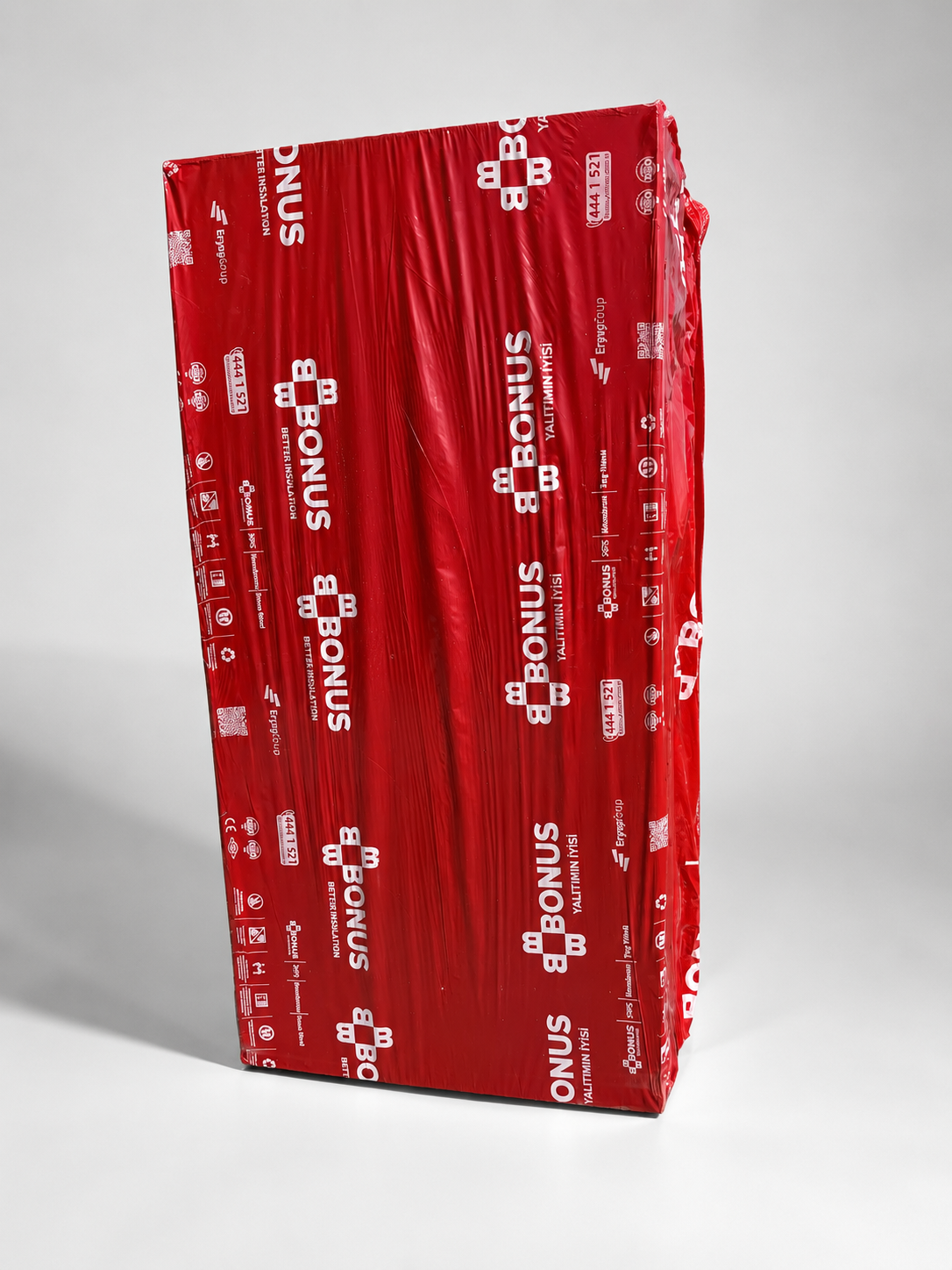
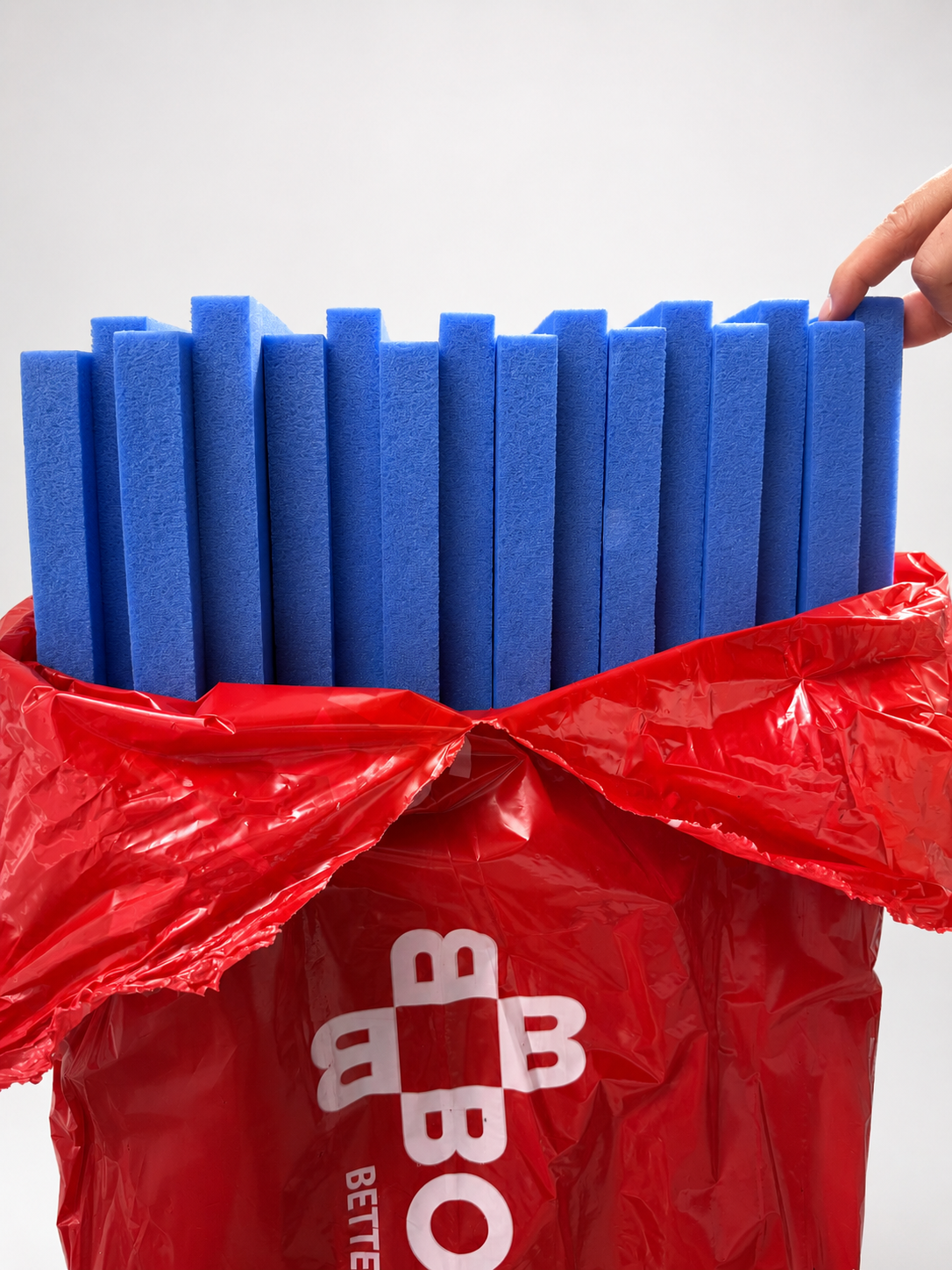
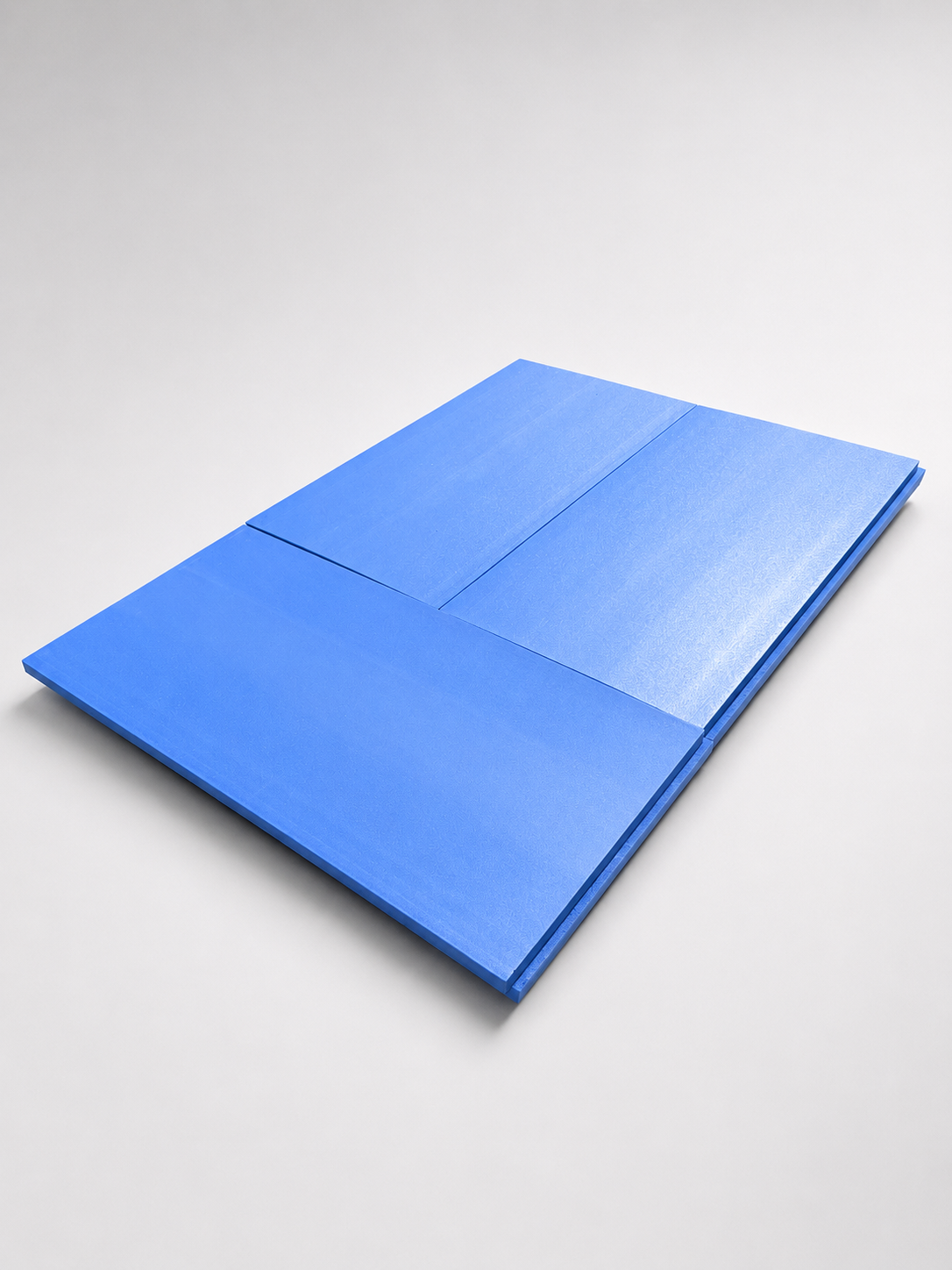
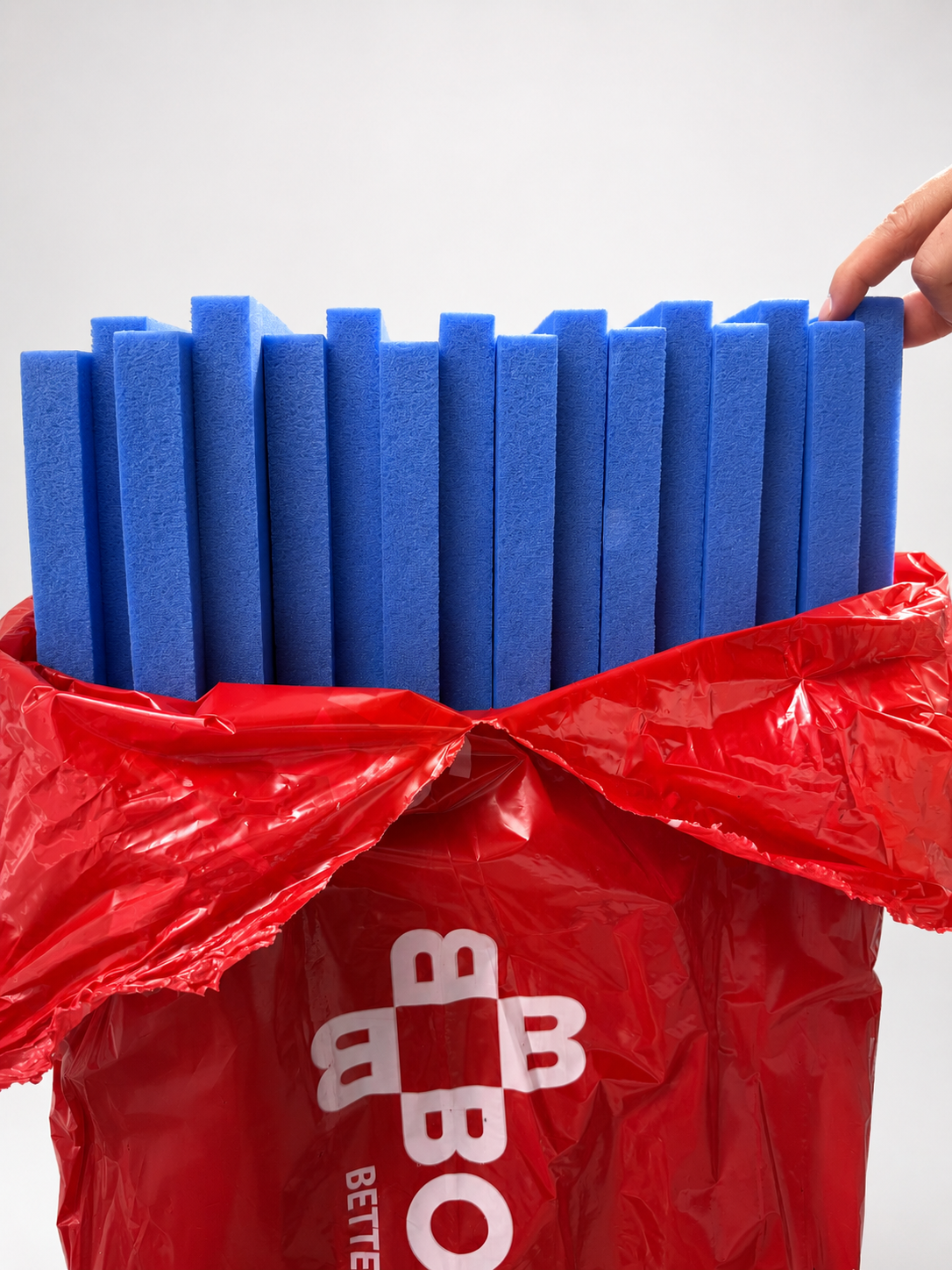
BONUS XPS shiplap boards are rigid extruded polystyrene foam panels with a shiplap edge that interlocks board-to-board for a continuous, draft-resistant thermal layer. At 2" thick and R10, they're well-suited for exterior continuous insulation over sheathing, below-grade foundation walls, and under-slab applications where the assembly will see moisture or ground contact. Extruded polystyrene has a closed-cell structure that resists water absorption, holds its R-value in damp conditions, and provides strong compressive strength for slab and foundation use. The shiplap edge eliminates the cold seams that butt-jointed boards create, meaning fewer thermal bridges and a tighter air barrier without specialty tapes. The 24"×48" (2×4') format is one of the easiest sizes to handle solo — light enough to position and fasten one-handed — making it a practical choice for one-person installs, though it does mean more seams and tape than a larger board. Boards score and snap cleanly with a utility knife, accept mechanical fasteners, and pair with most cladding systems.
XPS Boards FAQ
-
XPS is the right call anywhere the insulation will face moisture, ground contact, or sustained load — below-grade foundation walls, under-slab applications, exterior continuous insulation over sheathing, and any assembly where the material might get wet or bear weight over time. Its closed-cell structure resists water absorption and holds its R-value in damp conditions, while its compressive strength stands up to backfill pressure or slab loads without crushing. For above-grade interior walls or areas with no moisture or load exposure, other insulation types (fiberglass, rockwool) are often more cost-effective.
-
If your project needs R15 or higher in a single layer, go with 3" board. If R10 per layer works for your assembly, this 2" board is the simpler, more cost-effective choice — and can always be doubled up later if more R-value is needed.
-
The main difference is compressive strength and water performance. XPS has a tighter closed-cell structure that gives it higher compressive strength (300 kPa in our boards), so it holds up better under sustained load — this matters for under-slab and foundation applications where the material may be supporting soil backfill or slab weight over the long term without crushing or losing thickness. XPS also absorbs less water over time, so it holds its R-value better in damp or buried conditions. EPS is typically less expensive and still performs well for many above-grade applications, but XPS is the stronger choice anywhere ground contact, moisture, or sustained load is a factor.
-
In practical terms, it's how much sustained load the board can bear before it starts to compress and lose thickness (and R-value) over time. For under-slab or foundation-perimeter installs, this matters because the board has soil, concrete, or structural loads pressing on it for the life of the building — a higher compressive rating means it holds its shape and thermal performance under that load instead of gradually flattening out. For interior or non-load-bearing wall applications, compressive strength matters much less.
-
Yes — the 24"×48" (2×4') format is one of the easiest sizes to handle alone. It's light enough to position and fasten one-handed, which makes it a practical choice for solo installers, though it does mean more seams (and more tape) than a larger board format.
-
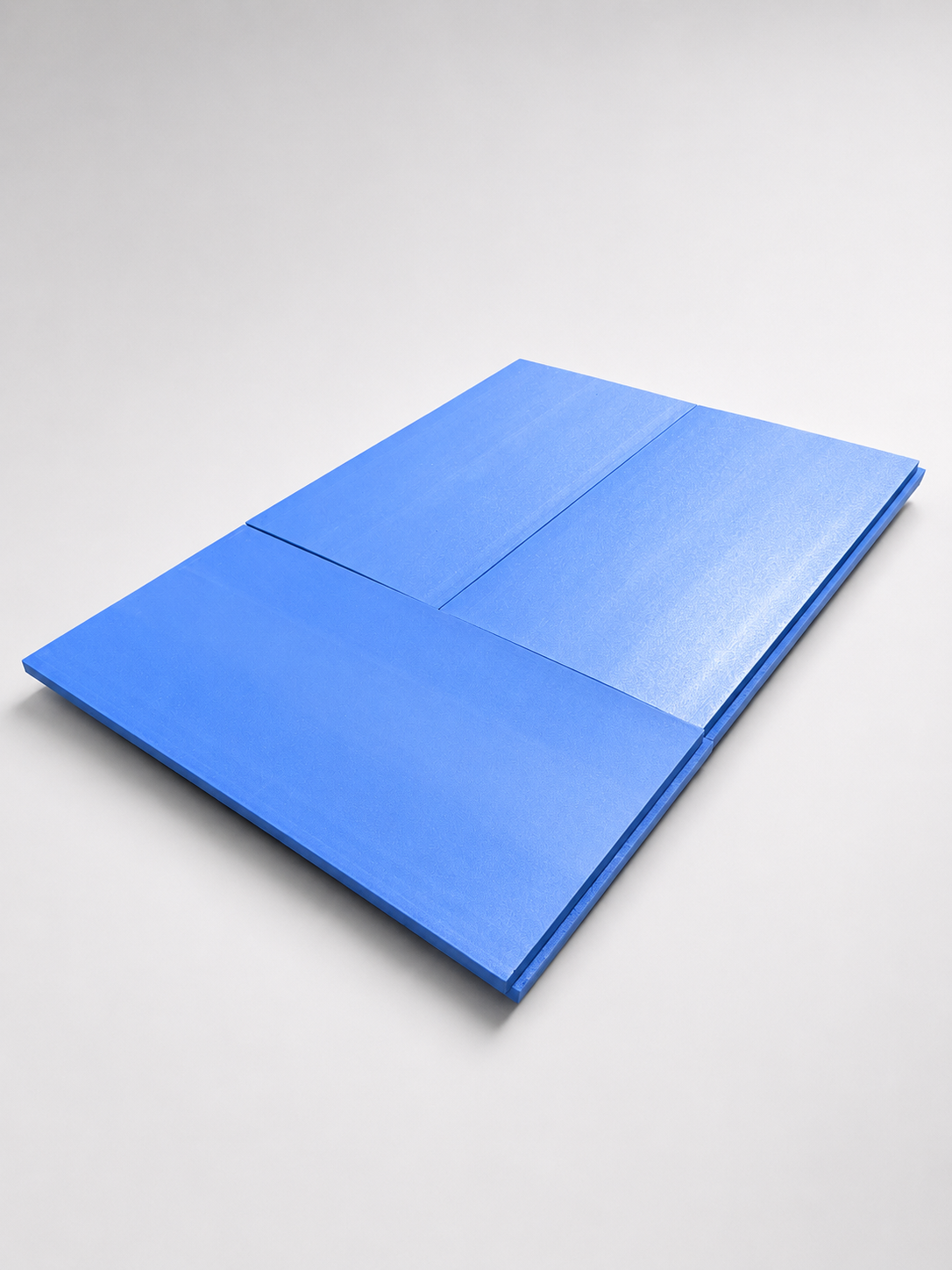
The difference is how adjacent boards meet at the seam. Square-cut edges butt flush, edge to edge, in a straight line — simple to manufacture and easy to trim on site, but the seam is left as a straight gap that needs taping or sealing to perform well. Shiplap edges have a stepped lip on one side and a matching groove on the other, so boards overlap at the seam instead of butting flush — this closes the gap that a butt joint leaves, cutting down on air movement and thermal bridging, and reduces or eliminates the need for seam tape. Shiplap also helps keep boards flush and aligned as they're fastened, since the interlock resists shifting. Square-cut is simpler and more flexible to trim; shiplap does more of the sealing and alignment work on its own, which is why it's the standard edge on our XPS line.