
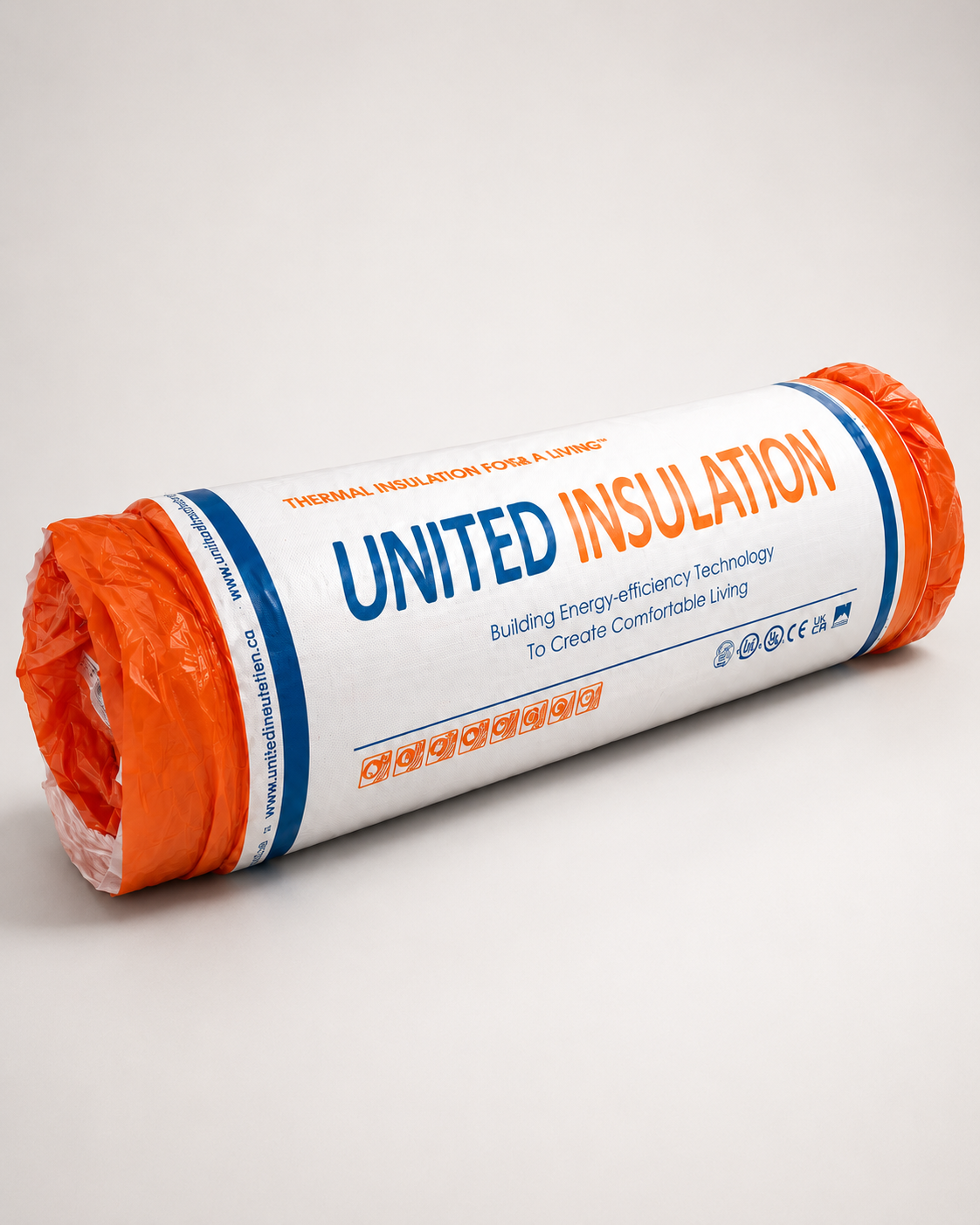

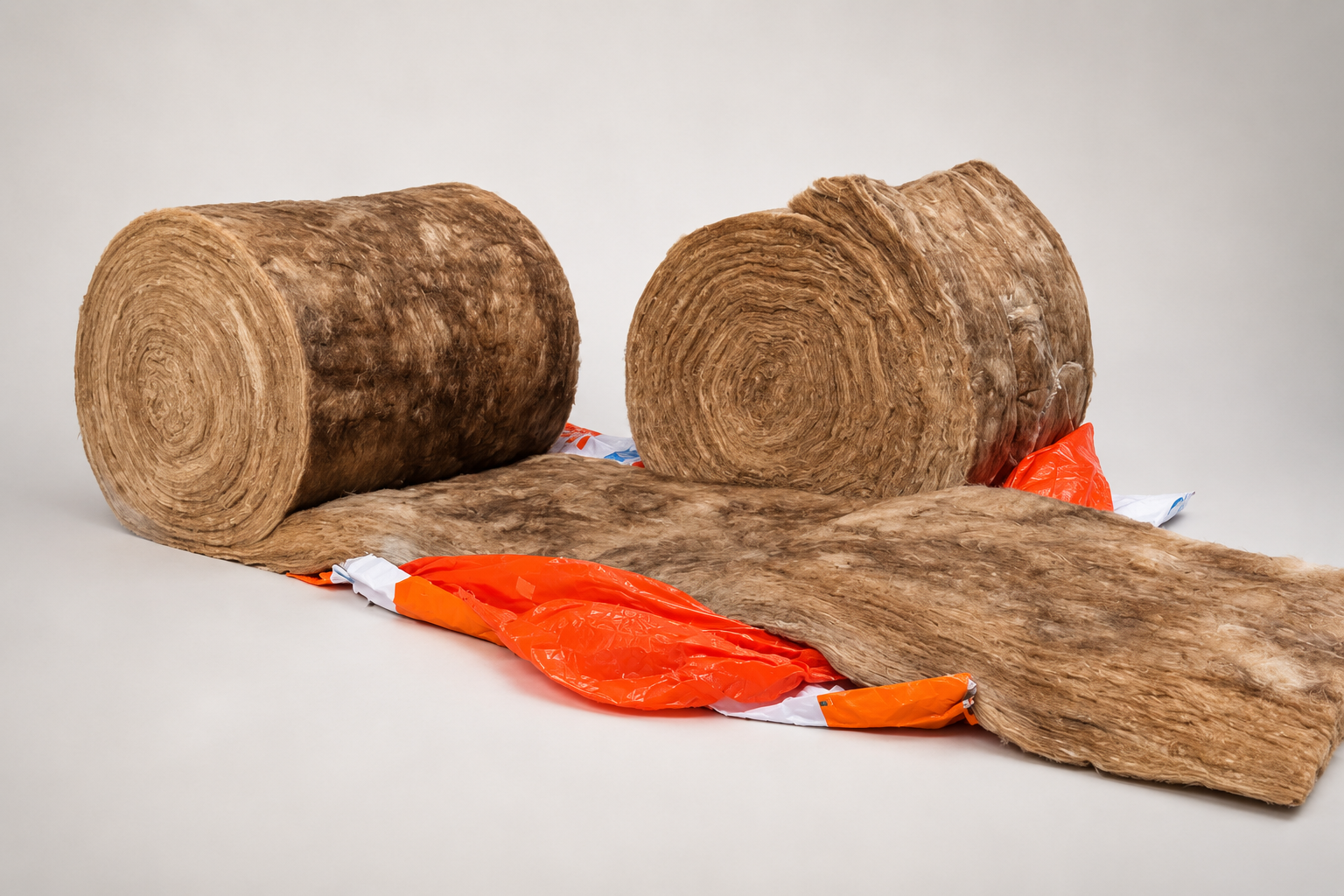
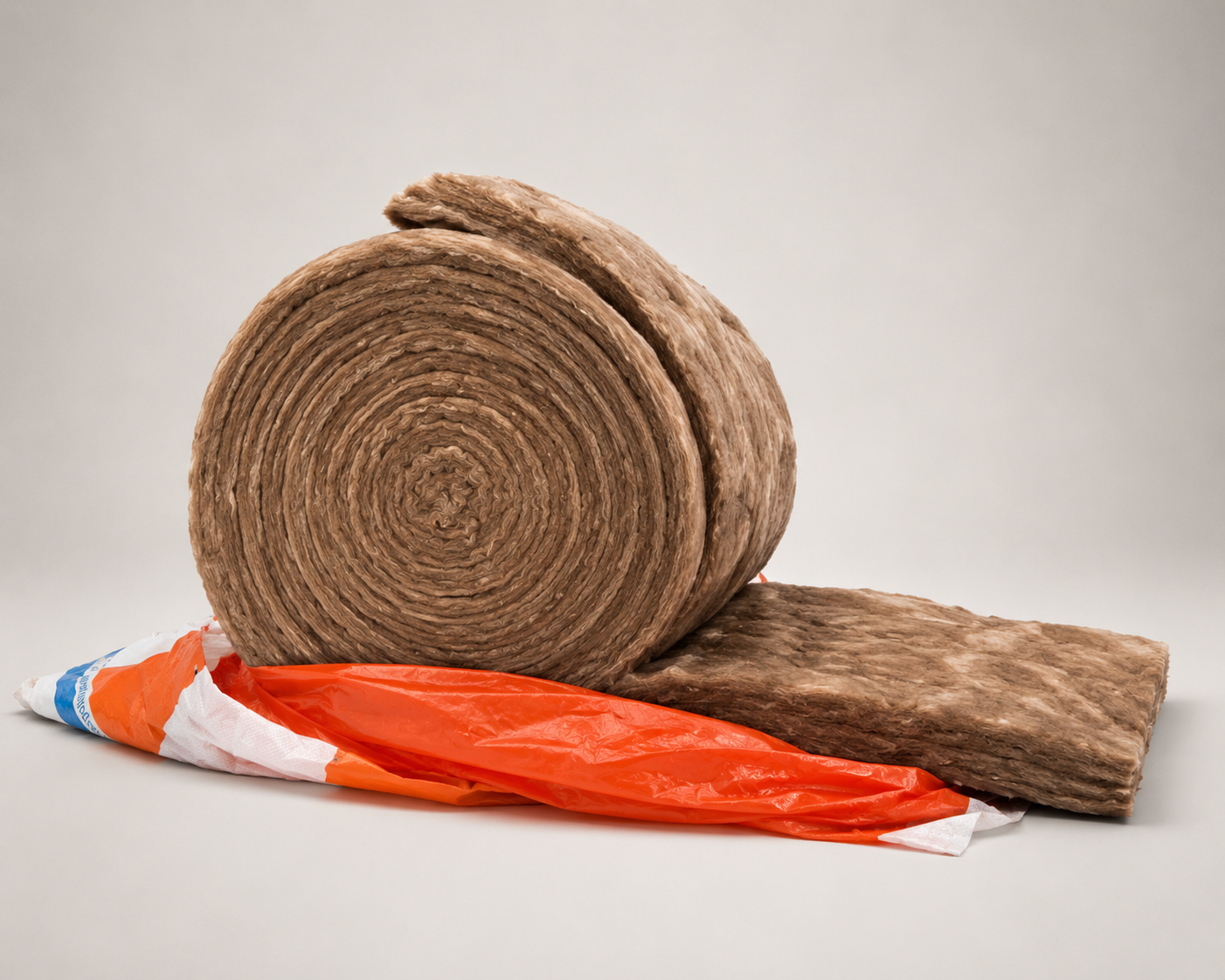
About the Product
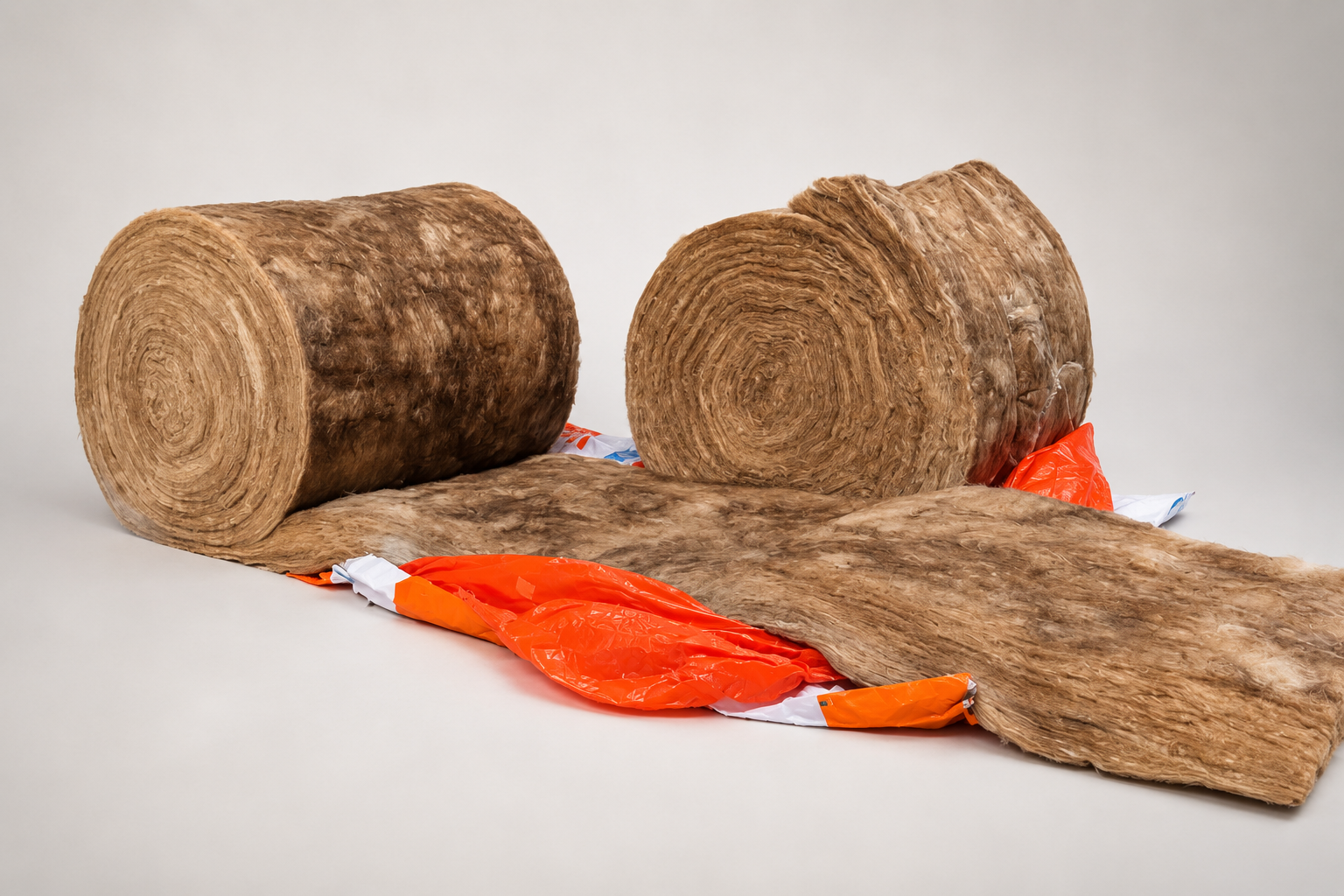
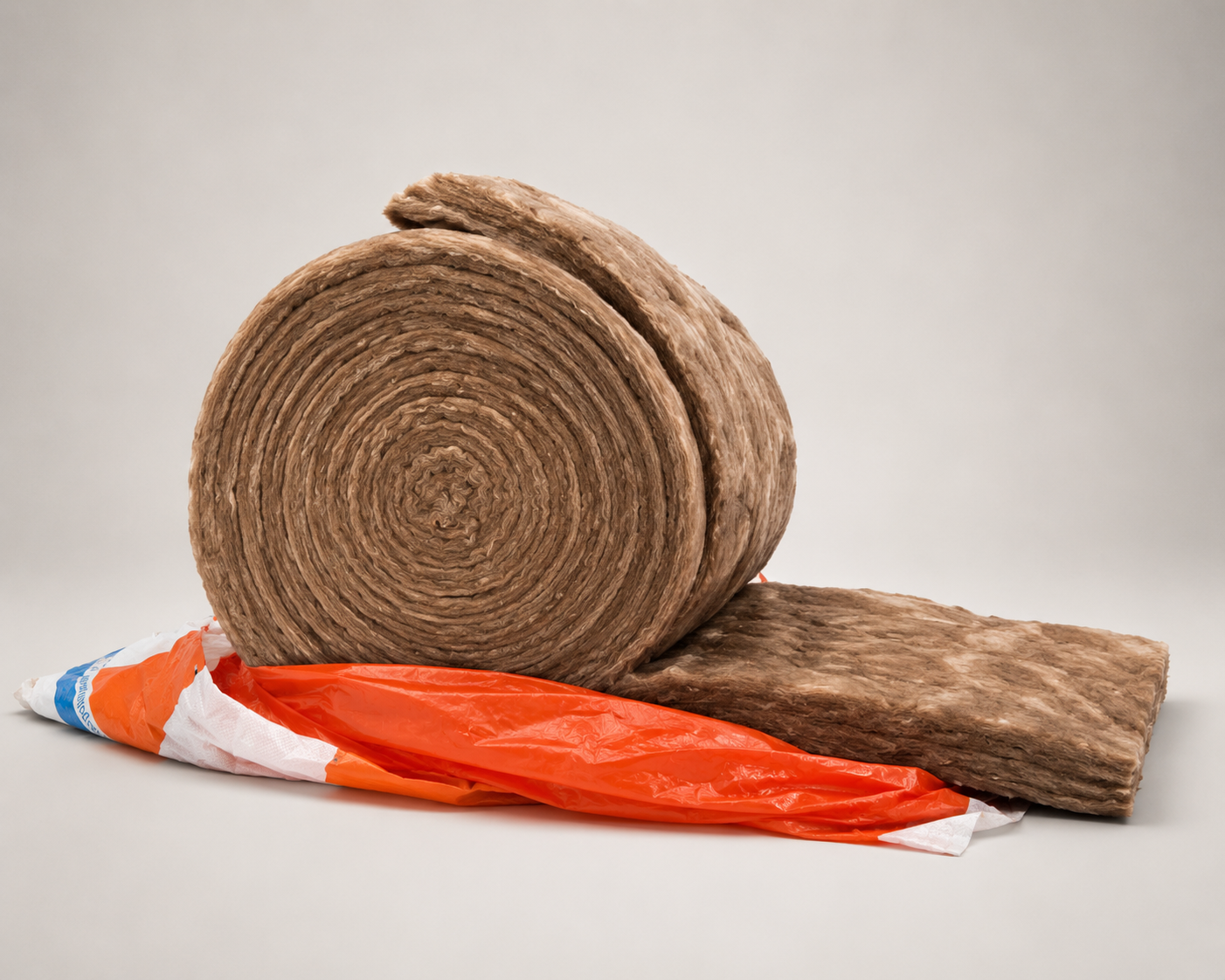
These R20 fiberglass insulation rolls are built for applications needing higher thermal performance than a standard batt — exterior walls, attics, and floors where increased energy efficiency is the priority. At 6" thick, they suit deeper cavities than typical 2×4 framing, making them a good fit for 2×6 exterior walls, attic floors, and other assemblies built for a higher R-value. The 23" width fits snugly into standard 24" on-center framing to minimize gaps and compression. The roll format speeds up installation compared to batts — measure the cavity, unroll, cut to length, and place between framing members, trimming around electrical boxes or obstructions as needed. Fiberglass insulation slows heat transfer for year-round comfort, supports energy efficiency, and helps reduce sound transfer between rooms and floors, while its flexible structure conforms around wiring, plumbing, and minor framing irregularities. A practical, cost-effective option for contractors, renovations, basements, garages, and new construction where higher R-values are called for.
Fiberglass Rolls FAQ
-
Rolls make sense for larger, continuous runs — attic floors, long wall sections, or floors over unheated spaces — where you're covering a lot of area and don't want to handle pre-cut pieces one at a time. Batts are usually faster for standard stud-bay walls where the cavity length already matches a pre-cut size; rolls give you more flexibility to cut custom lengths as you go.
-
Yes. The 23" width is sized for standard 24" on-center wall framing, so it fits snugly into stud cavities the same way a batt would — you just unroll, measure, and cut to the height of the wall instead of using a pre-cut piece. It works equally well in walls, attic floors, and floor assemblies over unheated spaces like garages or crawlspaces.
-
Rolls cut installation time on large, uninterrupted areas since you're not handling and fitting individual pieces — you unroll, cut to length, and place. They also let you customize the length exactly to your run instead of working around a fixed pre-cut size, which means less waste on non-standard cavity lengths.
-
Measure the cavity, unroll the insulation, cut to length, and place it between framing members — trim around electrical boxes or obstructions as needed, and avoid compressing the material, which reduces its R-value.
-
Generally less, not more. Since you cut rolls to the exact length of each run, you're not stuck with the leftover offcuts that come from fitting a fixed-length batt into a non-standard cavity. The main waste consideration is storage — a partially used roll needs to be re-wrapped or kept clean until the next run.
-
Fiberglass insulation is non-combustible and carries a low flame spread and smoke developed rating, making it a safe choice for standard residential and commercial framing. It won't provide the same fire-rated performance as rockwool, but it meets standard building code requirements for combustibility in typical wall and attic assemblies.