
About the Product
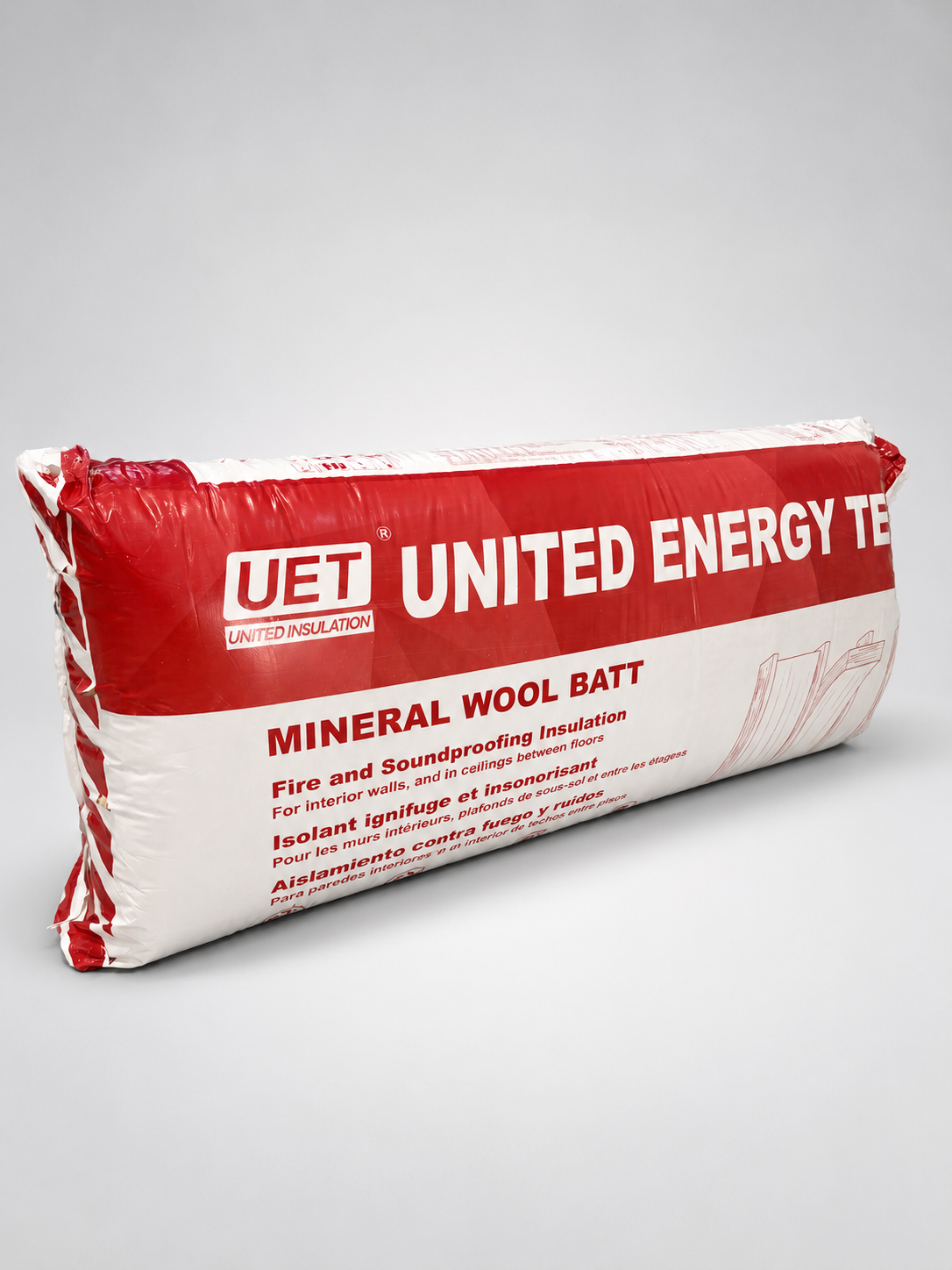
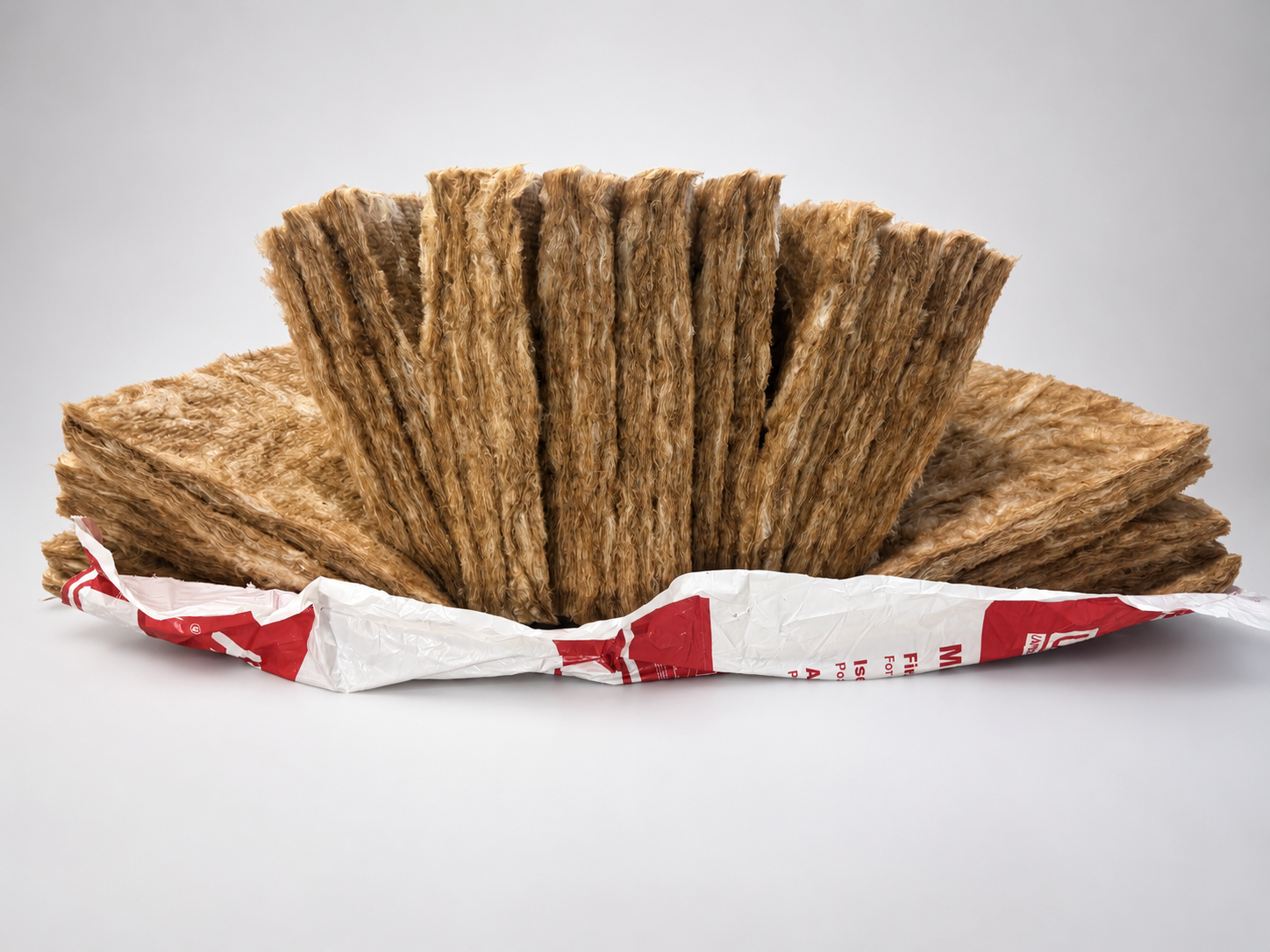
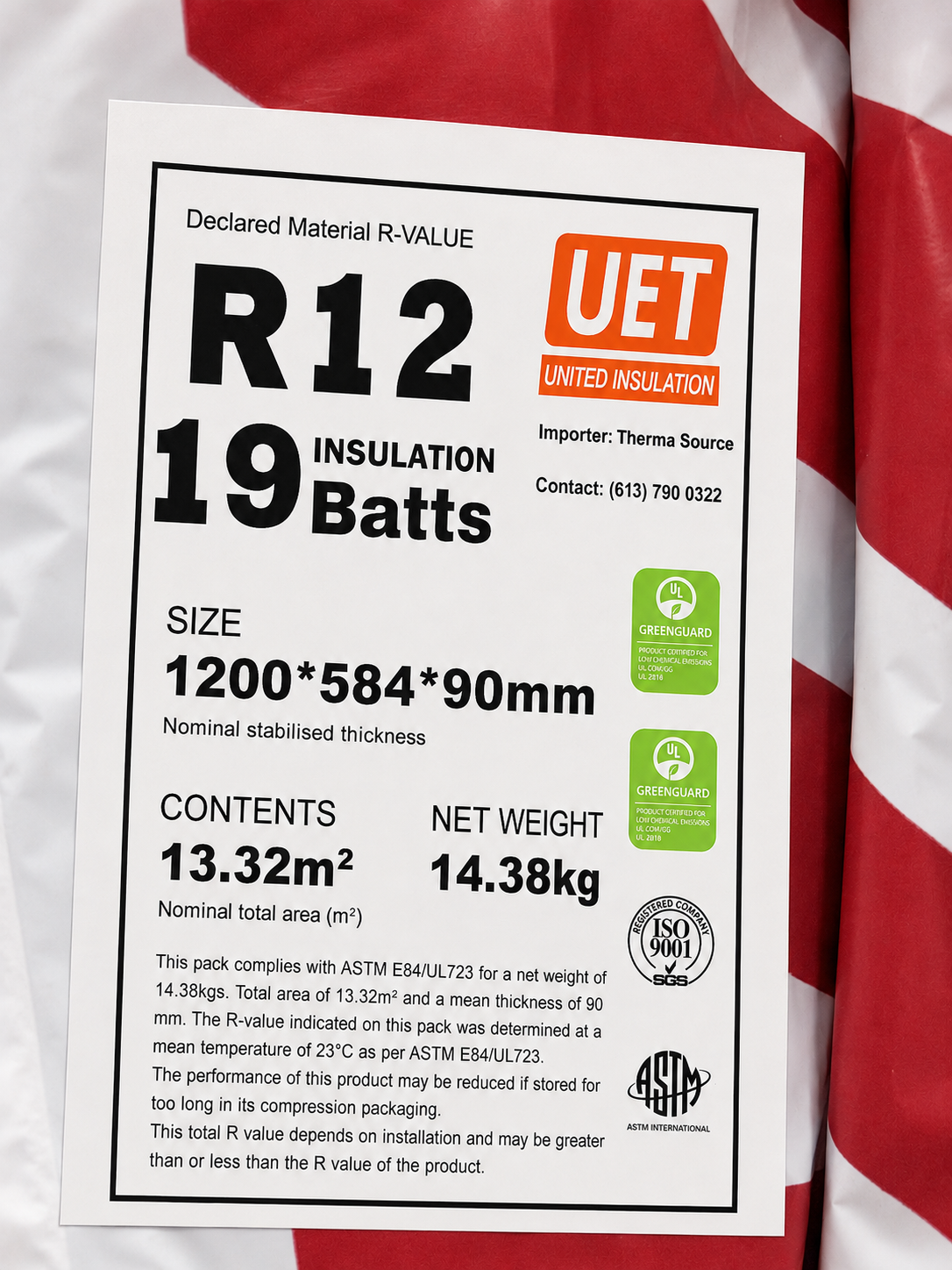
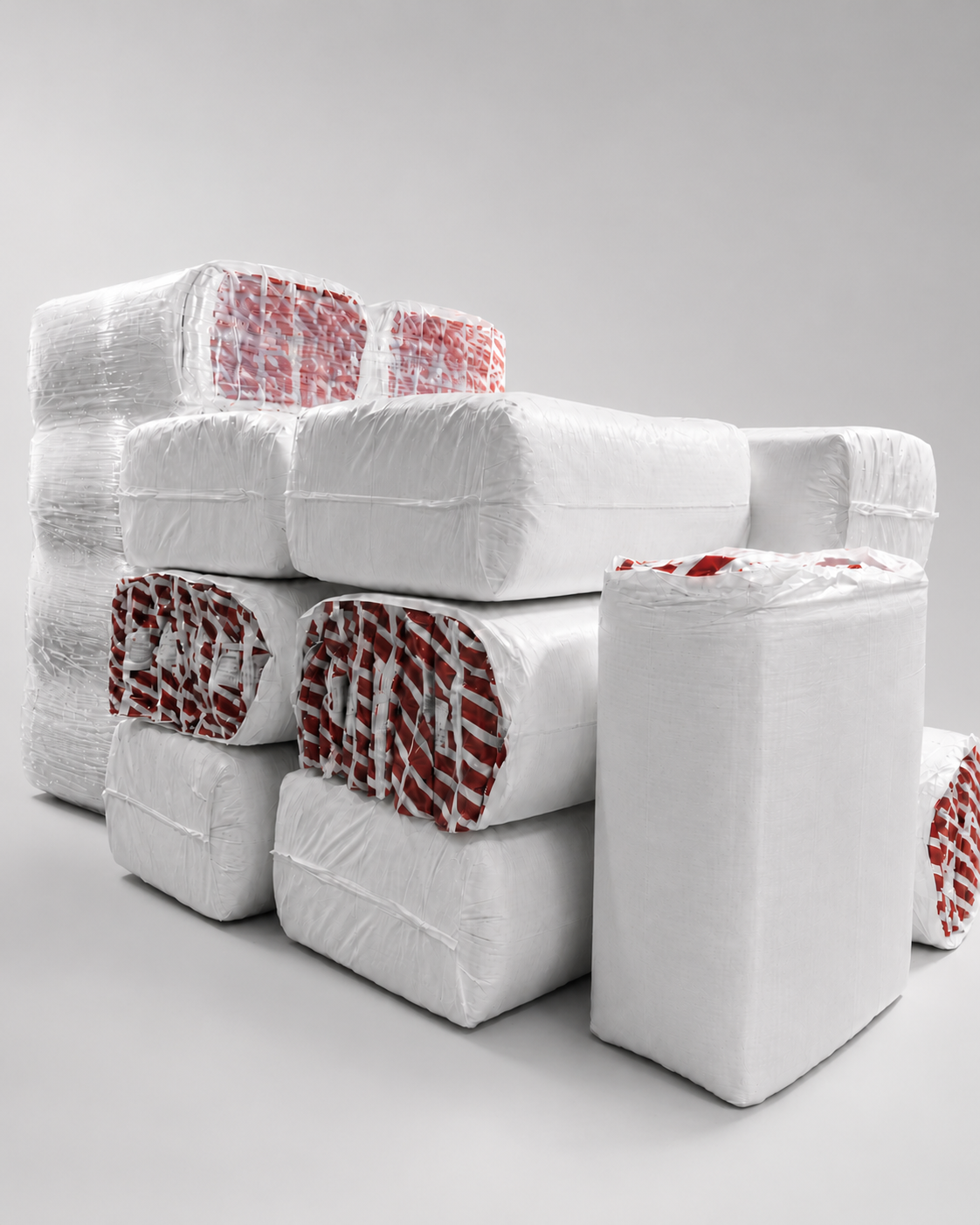
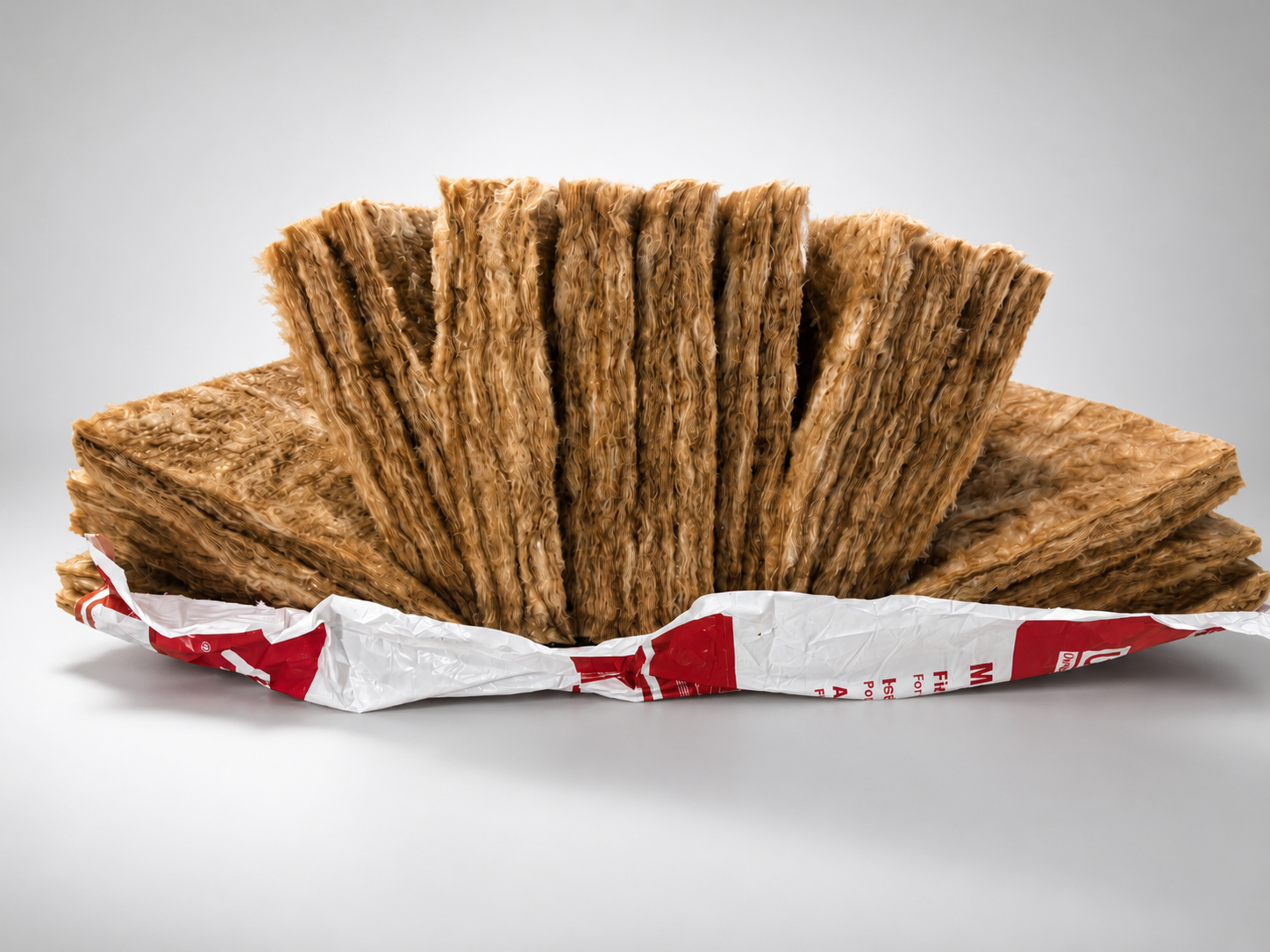
These R12 fiberglass insulation batts are sized for standard 24" on-center wall framing, with a 23" width that fits snugly between studs and a 3.5" thickness built for typical 2×4 wall cavities. They're best suited for interior walls, ceilings between floors, and standard exterior wall assemblies where a cost-effective, code-compliant R-value is the priority — not for applications needing fire resistance, acoustic isolation, or exterior continuous insulation, where rockwool is the better fit. Each bundle contains 19 pre-cut batts, making them easy to handle, transport, and install with less cutting than roll insulation — simply place each batt between framing members, trim around electrical boxes or obstructions, and avoid compressing the material to preserve its R-value. Fiberglass batts slow heat transfer for year-round comfort, support energy efficiency, and help reduce sound transfer between rooms, while their flexible structure conforms around wiring, plumbing, and minor framing irregularities. They're a practical, budget-friendly choice for contractors, renovations, basements, and DIY projects alike.
Fiberglass Batts FAQ
-
Fiberglass batts are best suited for interior walls, ceilings between floors, and standard exterior wall assemblies where a cost-effective, code-compliant R-value is the priority. They're not designed for fire-rated, acoustic-critical, or exterior continuous insulation applications — rockwool is the better fit there.
-
These batts are sized for standard 24" on-center wall framing. At 3.5" thick and 23" wide, they fit snugly into typical 2×4 wall cavities without excessive gaps or compression.
-
Each bundle contains 19 pre-cut batts measuring 3.5" × 23" × 48", covering 152 ft² per bundle — less handling and cutting than roll insulation.
-
Place each batt between framing members, trim around electrical boxes or obstructions as needed, and avoid compressing the material — compression reduces its R-value. No special tools required.
-
It helps reduce sound transfer between rooms to some degree, but if acoustic performance is a priority (mechanical rooms, party walls), rockwool batts or board offer significantly better sound dampening.
-
Cost and simplicity are the main reasons. Fiberglass batts run about a third of the price of rockwool per square foot, so for standard interior walls and ceilings where fire rating, acoustic performance, or moisture exposure aren't major concerns, fiberglass gets you a code-compliant R-value without paying for performance you don't need. It's also lighter and easier to handle for straightforward stud-bay installs. If your project involves basement walls, party walls, mechanical rooms, or exterior continuous insulation, rockwool is worth the upgrade — but for typical interior framing, fiberglass is usually the practical choice.