
About the Product
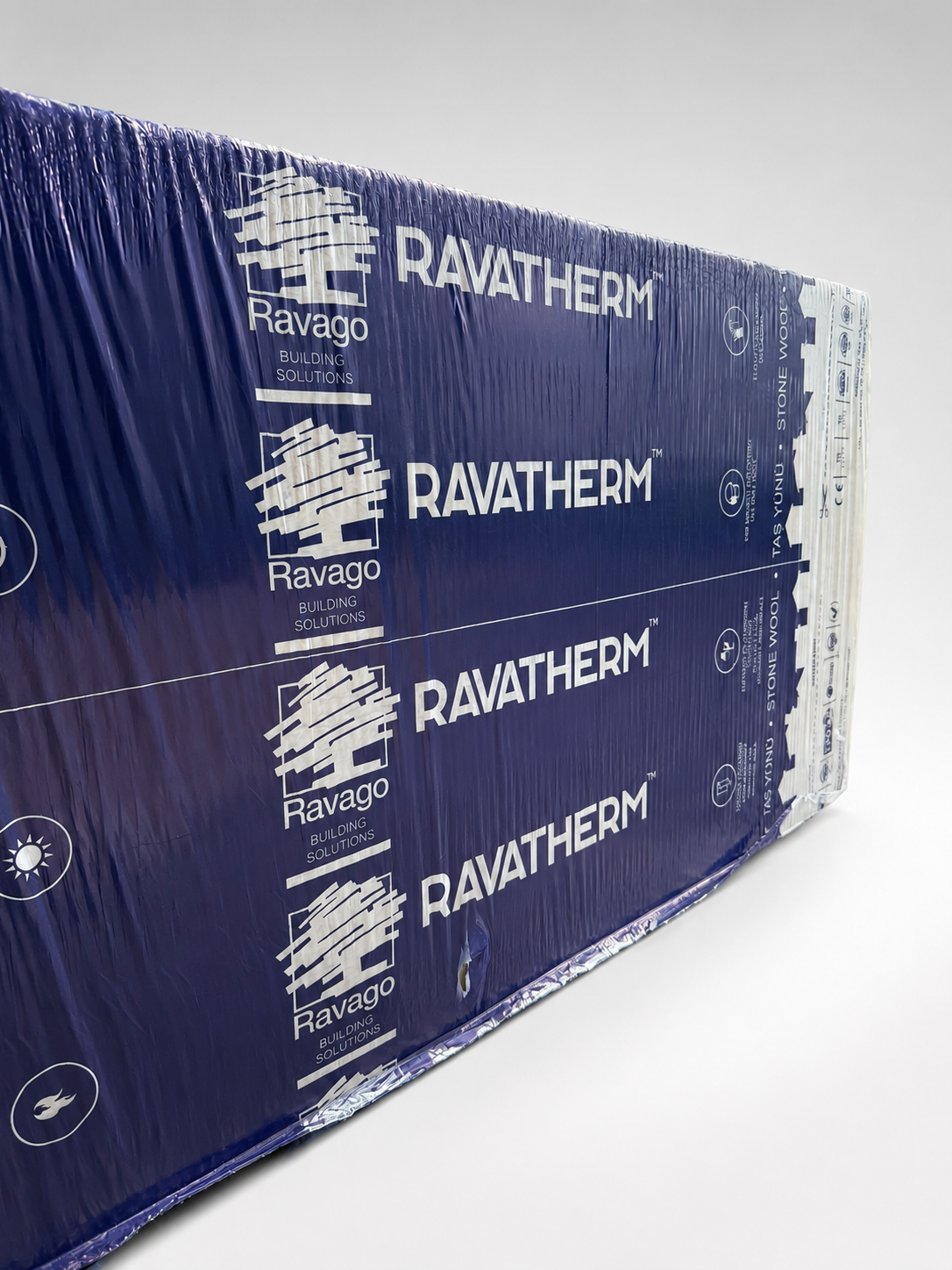
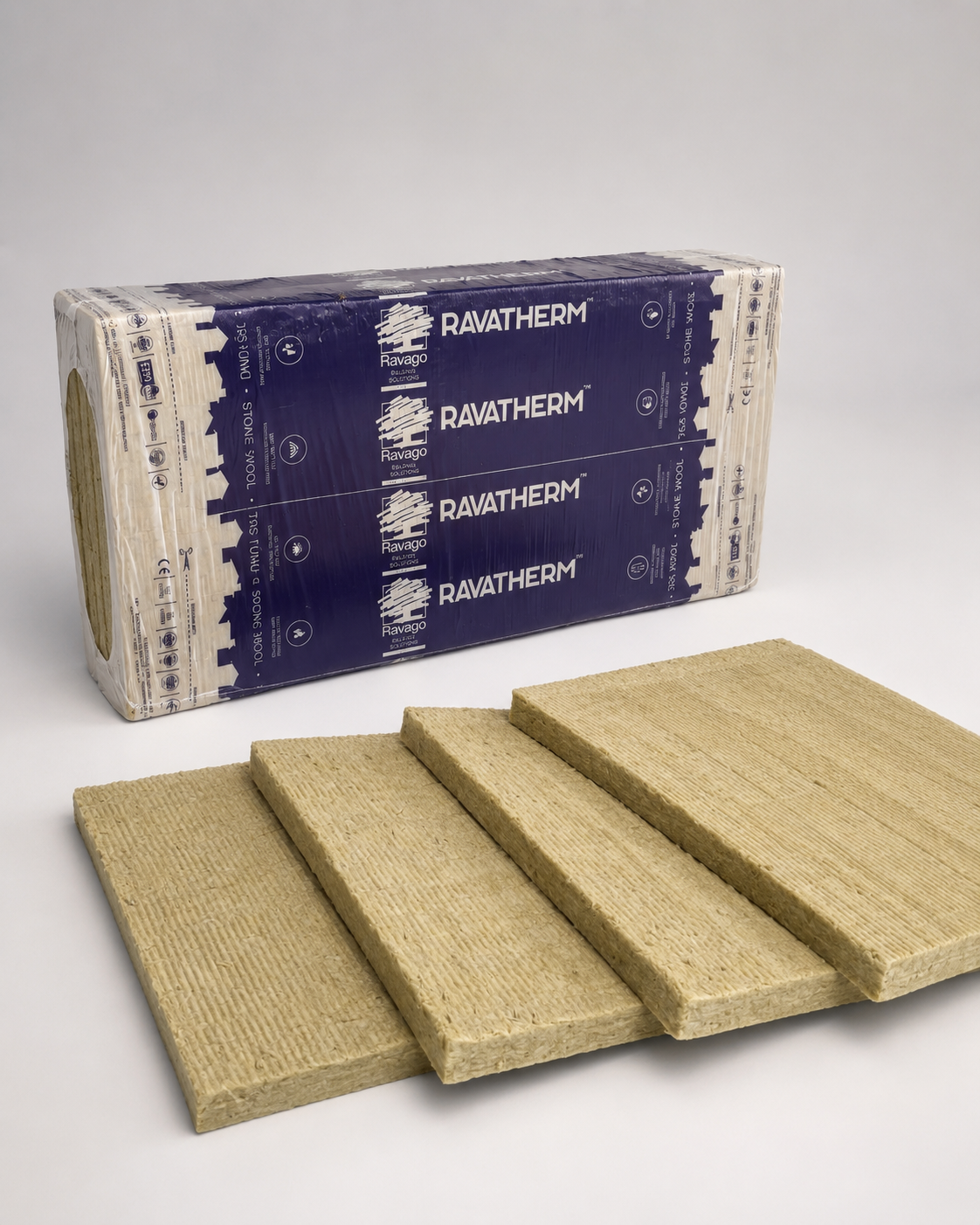
Also known as Comfortboard 80, these High-Density Rockwool Boards are rigid mineral wool insulation panels designed for demanding applications where durability, fire resistance, and long-term performance are critical. With a high density of 120 kg/m³ and an R-value of R6, these boards are ideal for exterior continuous insulation systems, rainscreen assemblies, commercial wall systems, mechanical rooms, and areas requiring enhanced acoustic control. Made from spun volcanic rock, the boards are non-combustible, water-repellent, vapor-permeable, and dimensionally stable, allowing assemblies to manage moisture while maintaining thermal performance over time. Their rigid structure makes them easy to handle and install, while also providing excellent sound dampening and resistance to compression behind cladding systems.
Rigid Rockwool Board FAQ
-
This board is built for applications that need strength, fire resistance, and long-term thermal performance — exterior continuous insulation over sheathing, basement perimeter walls, and interior partitions where added fire safety or sound control matters.
-
Yes. It's made from spun volcanic rock and is non-combustible, with a melting point above 1000°C — a solid choice for fire-conscious assemblies and mechanical rooms.
-
It's naturally water-repellent yet vapor-permeable, so it sheds water while still letting trapped moisture escape. It's dimensionally stable too, holding its shape and R-value over time without sagging or settling.
-
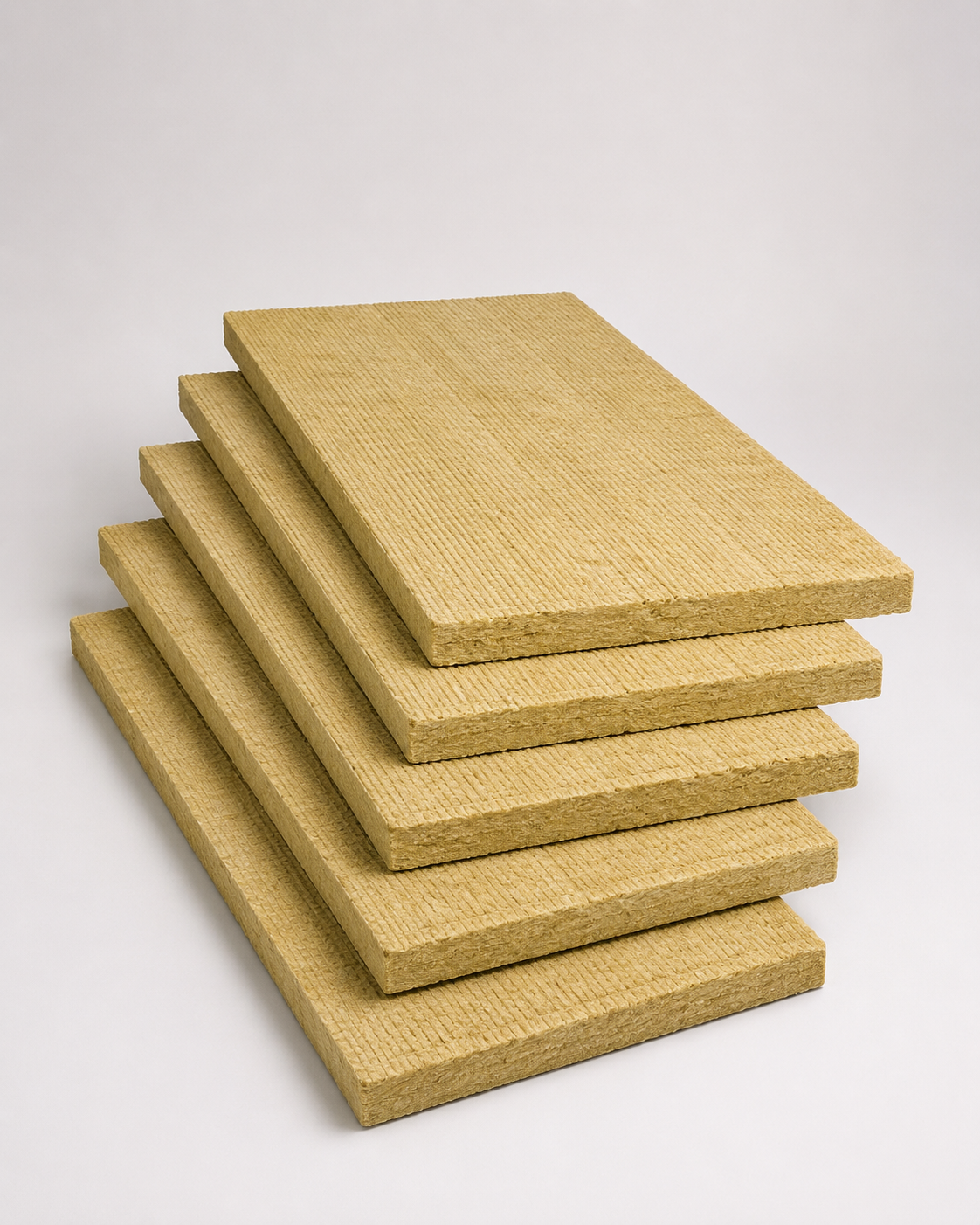
1.5" thick, R6, in 24"×48" boards — 5 boards per bundle, 40 ft² of coverage per bundle. Density is 120 kg/m³, on the high end for rockwool board, which is what gives it its strength and rigidity.
-
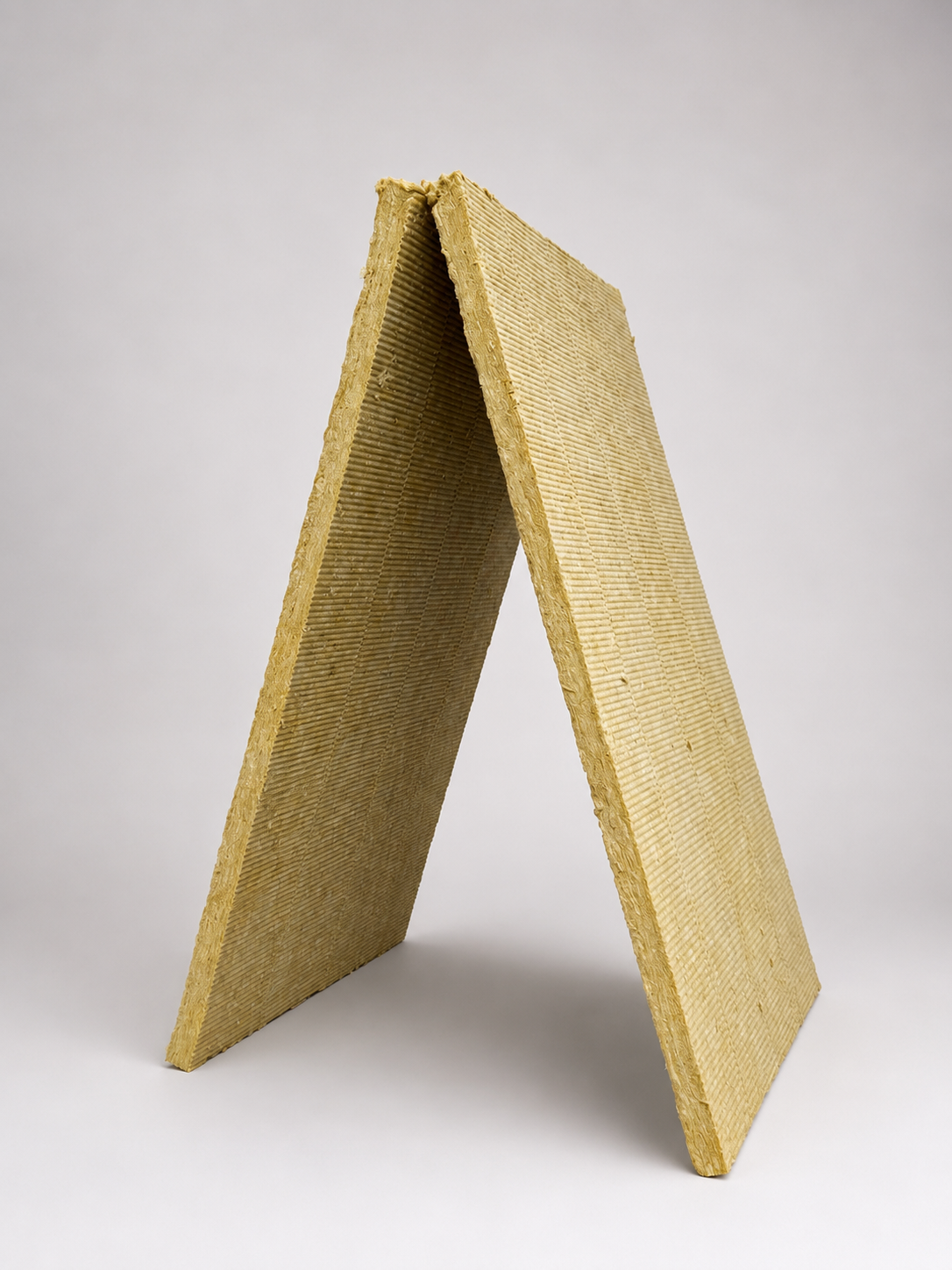
Its density makes it firm enough to handle without sagging, cuts cleanly with a serrated blade, and friction-fits between framing or sits flat against a wall under cladding — no special tools needed.
-
Yes — rockwool provides excellent acoustic damping, making this board a practical pick for mechanical rooms, party walls, and anywhere noise reduction matters alongside thermal performance.